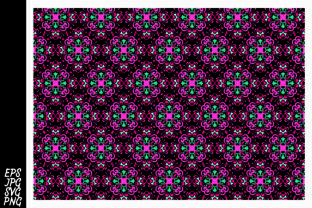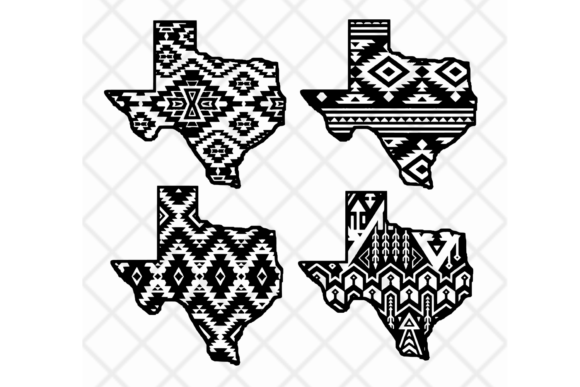
Aztec Pattern
Design Considerations for Specific Applications
Small Hoop Sizes: The Aztec Pattern may not be suitable for very small hoops. Its intricate details require adequate space to be fully visible and stitchable without overlapping or distortion.
Dark Fabric: While the pattern can work on dark backgrounds, the contrast between the design and the fabric may be less pronounced. Using high-contrast thread colors is recommended to ensure visibility.
Layered Garments: If the design is intended for layered clothing, such as a shirt with a patch, the stitching may need to be adjusted to avoid interference from underlying elements.
Textured Fabrics: Textured materials like denim or canvas can affect how the design appears. It’s important to test the pattern on a sample before committing to a full project.
Practical Design Notes for Embroidery Professionals
Test on Scrap Fabric: Always test the design on a scrap piece of fabric to assess stitch clarity, color contrast, and overall appearance.
Thread Color Contrast: Choose thread colors that complement the fabric and enhance the design’s visibility. High-contrast threads often yield the best results.
Stitch Density: Review the stitch density to ensure it’s appropriate for the fabric type and hoop size. Too dense, and the design may become stiff; too loose, and it may lack definition.
Mockups and Mockup Tools: Use printable mockups or digital previews to visualize how the design will look on different products before finalizing your project.
Stabilizer: Proper stabilizer use is crucial for maintaining the design’s shape and preventing fabric distortion during stitching.